
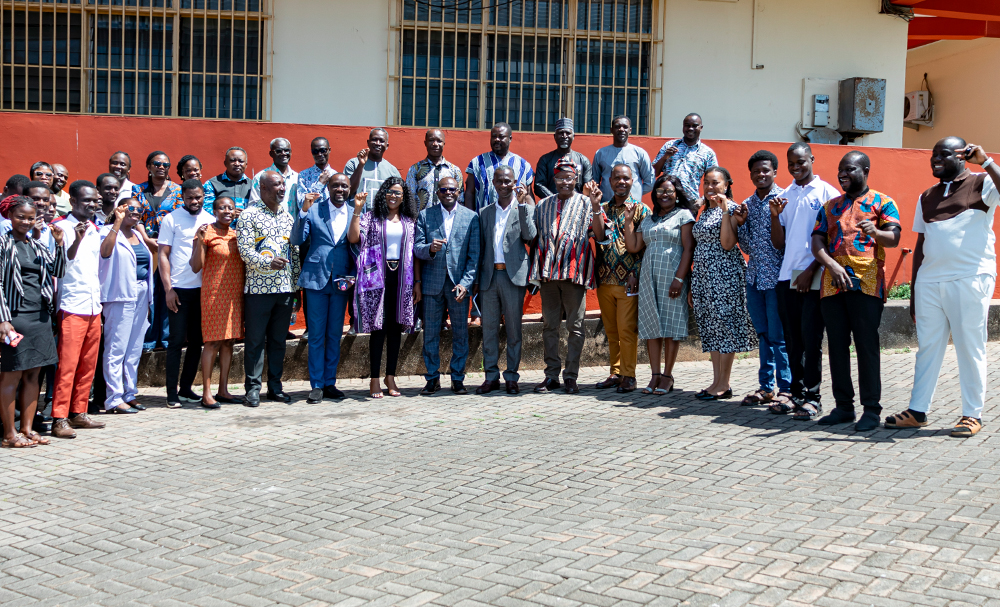
The Kwame Nkrumah University of Science and Technology, Kumasi (KNUST) Nutrition and Sustainable Agri-food Collaborative, in partnership with the Mastercard Foundation (Nkabom Collaborative), has launched its Blended Partner University (BPU) Entrepreneurship Training Programme at Takoradi Technical University (TTU).
The initiative is designed to equip 100 Takoradi Technical University students with practical entrepreneurial skills to develop innovative and sustainable businesses across the agricultural value chain.
The 10 days training seeks to equip participants through idea generation, idea validation and the steps needed to move a business concept to market.
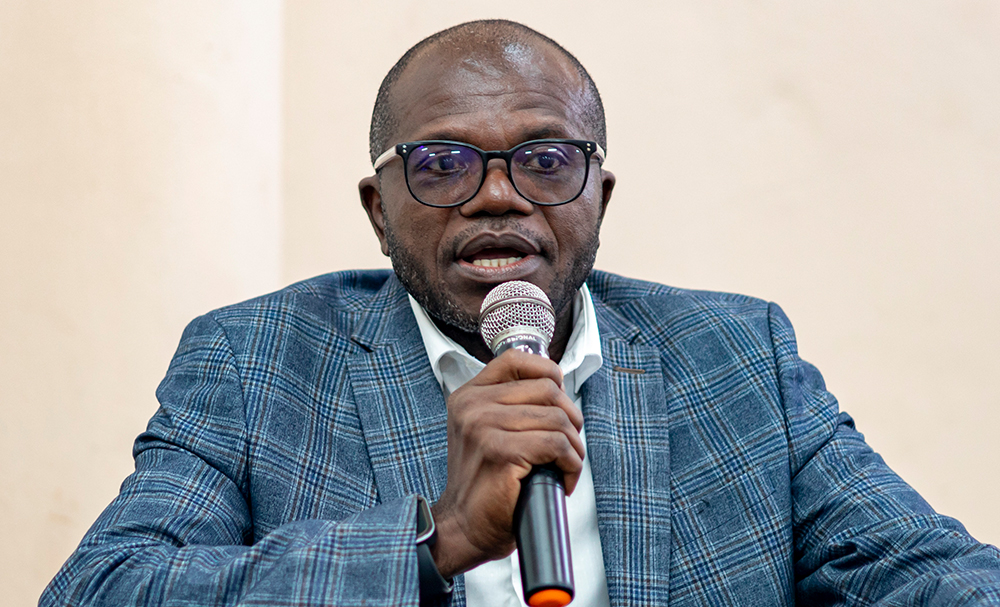
The Entrepreneurship Pillar Lead of the Collaborative, Prof. Wilberforce Achiaw Owusu-Ansah, said the Collaborative is focused on tackling unemployment and underemployment which are topical issues among young people in Ghana.
He noted that TTU students already possessed the requisite technical skills and knowledge. However, he emphasised that what they needed was an entrepreneurial mindset to transform these skills into viable business opportunities.
“What we are here to do is to help you develop the entrepreneurial mindset to turn your technical skills and expertise into viable and sustainable businesses,” he said.
Prof. Owusu-Ansah said the Collaborative would fund viable startups from TTU up to a maximum of $15,000. This would come in addition to wraparound support such as mentorship and help with business planning.
Facilitator Gifty Afi outlined the key areas of the training, noting that participants would be taken through five modules such as Foundation to Agripreneurship, Pathways to Agric Prosperity, Hybrid Business Model Canvas (HBMC), Managing Agribusiness (Marketing Management), and Managing Agribusiness (Finance and Business Management).
She encouraged students who did not yet have a business idea not to worry, because the training will help them develop business ideas.
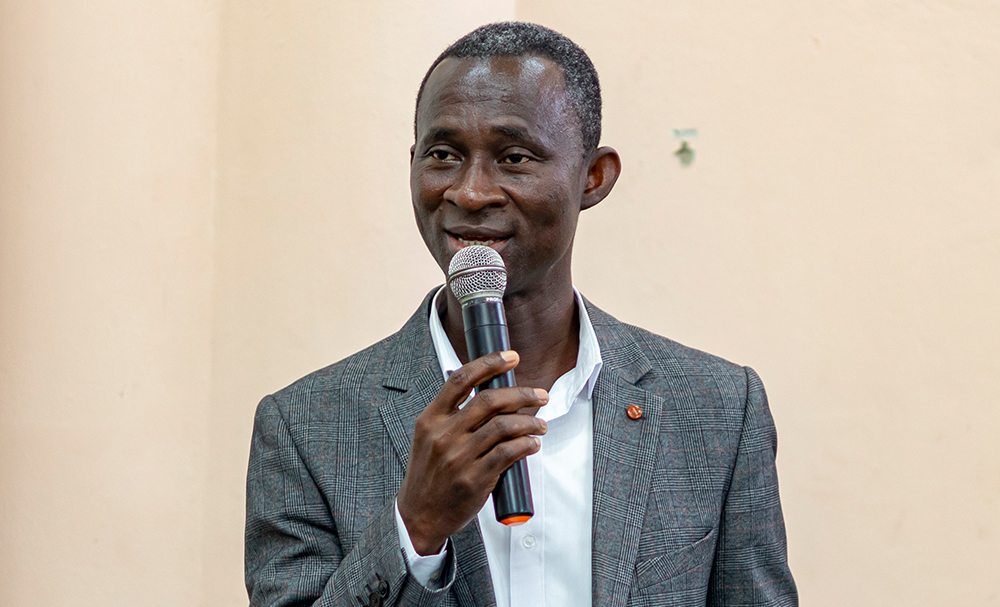
The Pro-Vice-Chancellor of Takoradi Technical University, Ing. Prof. Ebenezer Boakye, described the partnership as more than the launch of another programme.
He said it represents a commitment to the future of young people and to the economic development of the country.
He said that in a world being reshaped by technology and artificial intelligence, "education must do more than prepare people to look for jobs. Education must prepare people to identify problems, create solutions, build enterprises."
Prof. Boakye observed that no single institution could solve youth unemployment alone. Universities, industry, government, financial institutions and mentors all had a role to play, he said.
He added that the programme aligns with TTU's commitment to practical training, innovation and entrepreneurship.
"We want our graduates to see themselves not only as job seekers, but also as job creators, innovators and solution providers."
Prof. Boakye also called for inclusive entrepreneurship, stressing that opportunities must be open to young women, persons with disabilities and other groups who face barriers.
"We must build an entrepreneurial ecosystem where talent, rather than circumstance, becomes a major determinant of opportunity," he said.
Story: Michael Kwawu


